

Track casino: how pari-mutuel pools and casino floors differ, and what to check before playing
A casino that publishes how its games work will always show the house edge or the return to player, but that figure does not tell you whether you can win anything. What matters is the wagering requirement and the game contribution table behind it. A bonus advertised as $200 with 30x playthrough does not cost the same as $200 with 300x, and not every game counts toward clearing it. Slots often contribute 100% while table games count only 10%. Treat the requirement, not the summary, as the real cost of the offer.
Track Casino Architecture: The Convergence of Pari-Mutuel Racing and Gaming Floors
A hybrid facility known as a track casino or racino merges two distinct gambling traditions under one roof: live horse race betting and traditional electronic or table-based casino gaming. In the Canadian context, these venues operate where provincial gaming authorities and federal oversight intersect. Instead of keeping the grandstands separate from the gaming floor, modern facility operators integrate pari-mutuel wagering terminals directly beside slot machines, electronic table games, and live-dealer pits. This physical proximity allows patrons to move between pool-based racing bets and fixed-odds machine play without changing venues.
The operational model relies on shared infrastructure, including common security, cash cages, loyalty programs, and hospitality amenities. However, the regulatory compliance separating the two halves remains strict. The racing floor operates under specific federal frameworks governing horse racing, while the adjacent gaming floor answers to provincial oversight bodies like the Alcohol and Gaming Commission of Ontario or equivalent provincial lottery corporations. When visitors decide to wager at a track casino, they are engaging with two fundamentally different economic and mathematical engines operating side by side.
Operator comparison: operator details, games
Mrpacho and 777Vault raise different questions here, from account requirements to game selection.
| Brand | Details |
|---|---|
| Mrpacho | Single account for casino and sports |
| 777vault | site offers 4,000+ slots, live casino, table games for real money. |
| Mystake | Combined casino and sportsbook operating since 2020, Curacao licensed, crypto-focused with 5,000+ games and esports coverage. |
| Sisal | Italian operator; no Canadian licence; sportsbook and casino on regulated markets only. |
| Fanatics Sportsbook | Sportsbook + casino brand; Canadian casino and sportsbook availability depends on provincial licensing status. |
The selection at 777Vault matters most if it includes the kind of play you have in mind.
One account for casino and sports at Mrpacho
Mrpacho targets Canadian players with a dual product: a casino offering slots, table games and live dealers alongside a sportsbook. That structure removes the need to maintain separate accounts for sports and casino play. Bonuses are available for new and existing customers, but because licensing, payment options and support differ by jurisdiction, the precise terms depend on where you are located. Verify those details in the account region before depositing or accepting a bonus.
777vault: Support and complaints
Support availability may vary, with some services operating 24/7.
MyStake at a glance: what it is and how it is built
MyStake is a combined online casino and sportsbook that has been running since 2020, holding a Curacao licence while building its identity around cryptocurrency payments and esports. The site hosts more than 5,000 games from providers such as Evolution Gaming, Pragmatic Play and NetEnt, with sports betting sitting in its own catalogue instead of being promoted behind a bonus banner. Registration is available in several languages, including English, Russian, German and Japanese, and the interface language you pick at sign-up is set for good without a later change.
Sisal Overview: Italian Operator, No Canadian Licence
Sisal is an Italian gaming group that runs the Sisal Matchpoint sportsbook alongside a casino offering slots, live dealer tables and table games. It is not officially active in Canada and holds no licence to conduct gambling here. The operator concentrates on Italy, Spain, Portugal and Greece, where it functions under strict state regulation. Sisal Matchpoint offers sports betting markets, live betting and published odds in those territories, but a Canadian player cannot legally open an account or receive a licence-backed payout through the Canadian channel. Any access to the international site sits outside provincial oversight, which removes the protections that a locally licensed operator provides for funds, responsible-gambling tools and dispute handling.
Casino moncton events schedule | cancellations
Fanatics Sportsbook: a sports-first brand whose Canadian casino is not yet licensed
Fanatics Sportsbook arrived as a sportsbook plus casino operation under Fanatics Betting and Gaming, the company behind the world’s largest sports merchandise retailer. In Canada the product is not yet available as a licensed operator, so readers in Ontario should look instead to Fanatics’ partnerships with professional sports leagues and clubs, which shape the brand’s North American footprint instead of delivering a local casino. Where the sportsbook is live, the site and app carry full sports betting lines, live in-play wagering, and links to retail sportsbooks. The casino side offers real-money slots, blackjack, and roulette alongside the betting catalogue. Availability changes as the operator signs provincial agreements, so treat the Canadian presence as conditional on licensing status instead of a currently open account.
Pari-Mutuel Pools vs RNG House Edge: Dissecting the Underlying Mathematics
A player can treat the two payout structures as different bets instead of as the same game with a different name. In a pari-mutuel pool, the house does not set a fixed payout for a ticket. The casino takes a commission from the pool, then divides the remainder among whoever held the winning tickets. In a random-number-generator game, the casino sets the odds and the payout in advance, and every wager has the same mathematical relationship to the return regardless of what other players do.
The difference matters most when the pool is large or small. A racing pool can pay out far above the advertised return-to-player if few people pick the winner. The same pool can pay a fraction of the entry cost when the crowd splits the prize evenly. The house commission stays the same either way. An RNG game does not move with player count, so the expected return is stable and predictable for every spin or hand.
The choice comes down to how a player wants to face that uncertainty. The pool rewards being early or being correct when the field disagrees. The RNG game rewards accepting a known disadvantage in exchange for a fast, repeatable session.
| Criterion | Pari-mutuel racing pool | RNG casino game |
|---|---|---|
| Who sets the payout? | The pool after the commission is removed | The casino, fixed in advance |
| Does player count change the return? | Yes — a crowded winner share reduces the payout | No — each wager has the same odds |
| What does the house earn? | A fixed commission from the pool | A built-in edge on every wager |
| What does the player control? | The selection, not the payout size | The stake, the number of rounds, and when to stop |
| What is the main risk? | A large field can turn a winning ticket into a small return | A known house edge erodes the bankroll over repeated wagers |
One caveat applies to both. A winning ticket or a winning hand is not a measure of value until the payout is visible. In a pool, the amount is unknown until the field is final. In an RNG game, the size of each win is determined by the paytable, and the long-run result follows the stated edge. A player who tracks one outcome does not gain information about the next wager in either case.
Fairness on 777vault comes down to how the casino chooses its games instead of any single badge. The operator builds its library from major suppliers such as NetEnt, Microgaming, Play’n GO and Evolution, and that selection is the practical guarantee. Each provider ships its own software, and the mathematics behind the reels or the dealer table live inside that code, not in the casino’s own marketing. A player therefore does not need to trust a claim on the home page; they can inspect the supplier, open the game’s information screen and read the published return-to-player figure and the volatility rating before staking money.
Player Tracking Systems and the Fallacy of Outcome Telemetry
Hybrid gaming venues employ sophisticated player tracking telemetry to monitor patron activity across both tracks and gaming floors. When a player inserts a loyalty card into a slot terminal or registers a race wager through an account-based terminal, the management system records the total handle, time played, and game type. This data feeds into algorithms that calculate the player’s theoretical loss, which operators use to determine complimentary perks, promotional offers, and targeted marketing materials.
A common misconception among patrons is that tracking systems or personal session records reflect patterns that can be exploited. Players frequently examine roulette scoreboards, baccarat bead plates, or slot machine cycling histories in search of trends or ‘due’ outcomes. Mechanically, each spin of an RNG slot or independent roll of the dice is entirely independent of previous events. Tracking software records what has happened for accounting and reward purposes, but the underlying mathematics do not adjust future probabilities based on past results.
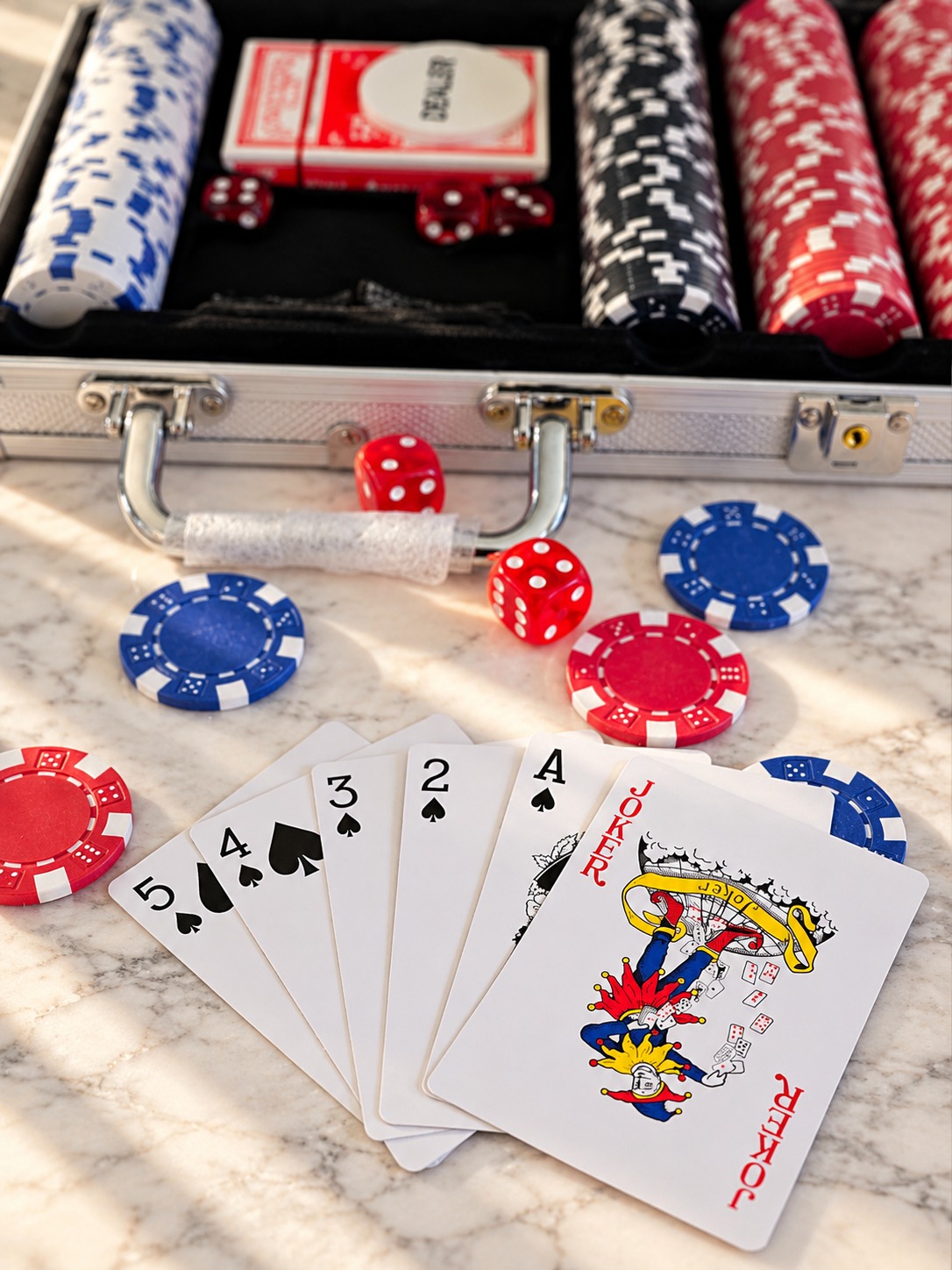
Provincial Governance, Age Limits, and Practical Bankroll Controls
Regulatory oversight in Canadian hybrid facilities is shared between federal and provincial bodies. The Canadian Pari-Mutuel Agency (CPMA), operating under Agriculture and Agri-Food Canada, supervises live race betting and ensures pool integrity. Meanwhile, provincial regulatory bodies and lottery corporations oversee the casino floor, slot operations, and alcohol service within the building. This dual governance means that compliance standards, auditing procedures, and dispute resolution mechanisms differ depending on whether a dispute arises from a disputed race ticket or a malfunctioning slot terminal.
Age requirements and responsible gambling protocols also reflect provincial jurisdiction. Depending on the province, the legal minimum age to enter a gaming floor or place a track wager is either 18 or 19. Facilities must provide visible access to responsible gambling support services, voluntary self-exclusion programs, and limit-setting tools. Understanding these structural guardrails helps patrons maintain strict bankroll boundaries, recognising that neither track pools nor casino house advantages can be overcome by betting systems or perceived streaks.
How does pari-mutuel race wagering differ from playing slot machines at a hybrid facility?
Pari-mutuel wagering pools all bets together and distributes the remaining pool to winners after a takeout deduction, meaning players compete against each other. Slot machines use random number generators where players compete directly against a fixed house edge.
Deposit get 100 free spins canada
Are track casinos regulated under federal or provincial law in Canada?
They operate under a dual framework. Live horse racing and pari-mutuel pools are overseen federally by the Canadian Pari-Mutuel Agency, while electronic gaming machines and table games are regulated by provincial authorities.
Can player tracking cards influence the payout percentage of slot machines?
No. Player tracking systems record handle and theoretical loss for loyalty and reward purposes only; they do not alter the fixed mathematical return-to-player percentages programmed into the machines.
Age determines which payment path works at 777vault, not just whether you can play. A player who is 19 or older in Alberta may deposit with a credit card and withdraw to an e-wallet within hours. The same player in a province where the legal age is 19 but bank-transfer rules differ will face a longer wait, sometimes several business days, because the institution behind the transfer applies its own checks. Currency does not change this. Canadian players use Canadian dollars, and the minimum deposit usually starts around 10 CAD, so small accounts can open without moving a large sum. The practical limit is verification and the chosen method, not the age figure itself.
Frequently asked questions
What should a new player check before funding the account?
Confirm the operator is licensed in your province before depositing, since provincial bodies set the age limit and dispute route. That verification determines whether a problem lands with the casino or with a regulator you can actually contact.
Is a bonus code required to claim the welcome offer?
No. The offer applies automatically at registration, but eligibility hinges on the payment method. Deposits placed with Skrill, Neteller or Paysafe do not qualify, so an e-wallet choice can disqualify you before the code ever matters.
How does the deposit minimum affect withdrawals?
The entry price is $30, and that minimum doubles as a gate. You cannot withdraw winnings unless your deposit reaches it, which means a $25 top-up locks the balance in place regardless of how much you win.
Canadian responsible gambling checks for casino players
Canadian players must be 18 or 19, depending on the province, and the provincial regulator sets the rules for the casino they use. National self-exclusion is available across provincial operators, so one registration blocks access at all participating sites. Set a deposit limit before playing and treat any loss as the cost of entertainment, not money to recover. If control slips, step away immediately and seek help from a licensed counsellor in your province instead of chasing the balance back.
