

How to judge a secure online casino in Canada: checks that matter before depositing
A secure online casino in Canada is one that verifies your identity and money with documents you control, not a site that simply displays a licence logo or runs flashy ads. The deciding factor is whether an independent regulator in a Canadian province, or a recognised offshore body, publishes an operator name you can match to a live registration number. Two casinos can accept Canadian dollars, offer slots and process Interac deposits, yet differ on how they handle a withheld withdrawal, whether game outcomes are audited, and whether a self-exclusion request actually locks the account.
Start by checking the regulator’s public register for the operator’s licence number, then confirm the same number appears in the site’s footer. That single match is worth more than any welcome bonus. It tells you which authority can intervene if the casino refuses to return your funds. From there, the comparison narrows to payment speed, verification documents, game provider, and whether the operator supports Canadian spending controls.
Account and payment checks that matter before depositing
What to confirm before players add money
The single most useful check is not how fast the site loads but whether the operator publishes a verifiable licence number and links it to the regulator that issued it.
When funding a 5bet account in Canada, the first figure that matters is the minimum deposit: $10 CAD. That floor applies across the supported methods, which is convenient because it means you can test the platform without committing a large bankroll. 5bet accepts the full range of Canadian payment rails — Visa and Mastercard, e-wallets like Skrill, Neteller and ecoPayz, bank transfers, and cryptocurrencies including Bitcoin and Ethereum. Choose the channel that matches how you normally spend, since each one behaves differently once the money leaves your account.
Operator comparison: operator details, accounts and verification
Which licensed operator do you actually trust with your money?
All slots casino deposit | withdrawal routes
| Brand | Details |
|---|---|
| 5bet | Established in 2007 with multiple licences; no AGCO registration in Canada. |
| vegaz casino | Operates under a Curacao eGaming licence, less strict than Canadian regulators. |
| Cazeus | Licensed by a gambling regulator and uses modern encryption for data and transactions. |
| buran casino | Terms and conditions, RNG auditing and encryption are published, but Canadian licensing is unconfirmed. |
| Legiano | Verified licence, SSL encryption and RNG-certified games, plus territorial eligibility limits. |
If a site makes you hunt for its regulator or hides its licence number, walk away and move to the next one — the verification takes thirty seconds and saves you from a much longer conversation about whether your winnings are going to arrive.
5bet trust: long history, but no AGCO licence
5bet has operated since 2007, which gives it more runway than most newcomers in the Canadian betting market. The operator holds licenses from multiple jurisdictions, so a portion of your funds and activity falls under formal oversight instead of being left to internal rules alone. That is not the same as a Canadian provincial licence, and it is worth stating plainly: 5bet does not hold an AGCO licence. For a player who treats that distinction as a dealbreaker, the absence matters, because it removes the specific complaint channels and local dispute mechanisms that a provincially regulated site provides. Reviews tend to be positive, with users citing a wide range of events and competitive odds as the main draw. Some reports mention delays when cashing out, but those cases are uncommon instead of the norm. If you value regulatory depth over brand longevity, weigh the missing AGCO seal against the operational history you do get.
Vegaz Casino trust: Curacao licence and its limits
Vegaz Casino runs under a Curacao eGaming licence, which covers a large share of international iGaming operators. Curacao licensing is broad by design, and it does not carry the same enforcement teeth as a Canadian provincial regulator. In practical terms, this means that dispute resolution leans on the operator’s own customer support and the general licensing framework instead of a local body you can escalate to. If you play there, treat the licence as a baseline of oversight, not a guarantee of how a disagreement would be settled. The operator is legitimate enough to offer real games and real payouts, but the weaker regulatory layer is the cost of that accessibility.
Cazeus: what its licence and encryption actually cover
Cazeus operates under a licence issued by a gambling regulator, and that detail sets the baseline for how a player in Canada can approach the site. A valid licence means the operator is subject to an external audit trail: financial records, game fairness testing and complaint handling are all checked against a standard, not just internal promises. The practical effect is narrower than a guarantee, but it is a real constraint on how the business runs. If Cazeus wanted to refuse a legitimate payout without cause, it would be exposing that licence to review.
That oversight is backed by the encryption Cazeus applies to data and money moving through the platform. Modern encryption is not a marketing label here — it is the mechanism that stops a payment detail or account password from being readable if intercepted between your device and the operator. For a player, the relevant action is simple: confirm the address bar shows the secure protocol before entering financial information, and rely on the licence to handle disputes instead of trying to negotiate directly with an unregistered operator.
The limitation worth stating plainly is that a licence does not remove the risk of gambling itself. No regulator can make a wagering outcome safer, and a licence tells you nothing about whether a particular session is a good decision. It does mean, however, that if a problem arises, there is an external party you can refer to instead of an empty response.
buran casino trust factors and transparency
Burran Casino publishes full terms and conditions on the platform, including bonus rules and payment policies, so a player can verify what a bonus actually requires before claiming it. That is the kind of transparency that makes an offer testable instead of a promise made in advertising. Fairness rests on random number generators for game outcomes, with results audited by independent testing agencies, and the platform applies standard encryption to protect player data and transactions. Licensing and regulatory details sit in the website footer, where Canadian-specific information has not been confirmed, and geographic restrictions mean access is limited to permitted jurisdictions while players from certain countries cannot register.
Legiano trust: licence, security and fairness
Legiano backs its identity claims with an operating licence from a recognised gambling jurisdiction, SSL encryption over player accounts and financial transfers, and certified random number generators driving game outcomes. Those three items form the baseline a reader can check before depositing real money. Licensing tells you which authority could be approached if a dispute arises; encryption limits what a third party can read in transit; the RNG certification means past results do not influence future ones. Restricted countries apply at registration, and some Canadian provinces carry their own rules, so availability can differ from one address to the next. Terms and conditions are refreshed periodically, which is why a player should read them instead of assume a policy from a review dated months ago.
Bonuses, games and software: what the fine print actually limits
What the bonus promise actually costs you
A summary bonus figure tells you only the maximum top-up, not what you can cash out. The binding details live in the wagering requirements and the game weighting. That distinction matters more than the size of the offer, because two promotions advertising the same amount can demand very different playthrough before any withdrawal.
Wagering requirements state how many times you must stake the bonus, and sometimes the deposit as well, before winnings clear. A 30x bonus on a $100 top-up means $3,000 in qualifying bets. The figure alone looks manageable until you see the contribution rates. Slots usually count 100%, but table games, video poker and live dealer tables often count far less, or not at all. Blackjack frequently carries a 10% contribution, so every $10 wagered on it adds just $1 to the turnover. That one setting can turn a reasonable requirement into a much longer session.
A hypothetical calculation helps expose this. With a 30x wager on a $100 bonus, playing 100% slots requires $3,000 in turnover. Switch to a table game at 10% contribution and the same $3,000 wagered only counts as $300. You would need $30,000 of table stakes to clear the offer. The bonus amount has not changed; only the game choice has.
Time limits and maximum bet caps are the other quiet restrictors. A bonus that must be cleared within seven days forces frequent, fast play, and a $5 maximum bet while the offer is active can void the entire bonus if you exceed it once. These conditions sit in the terms, not the banner, so the first step is to locate the exact wagering basis, the validity period and the bet cap instead of trusting the summary number.
What software tells you about fairness and reliability
Game quality and fairness rest on the software provider and its certification, not on the casino’s branding. Reputable studios submit their random number generators to independent testing so that outcomes are statistically independent and verifiable. A game from a known provider gives you a documented mechanism; a title from an unknown developer gives you nothing to check.
The practical test is visible in the game footer and the paytable. A legitimate title usually displays the provider’s name, the return-to-player percentage and a link to the test certificate. RTP is the long-run average a player can expect; it is not a short-term guarantee. A 96% RTP does not mean a session returns 96% of wagers, and it does not predict whether a particular round pays.
Licensed testing labs issue certificates for individual game versions, and those certificates carry expiry dates. An old certificate may no longer reflect the version actually running on the site, so the more useful check is whether the operator publishes the current certificate and whether it matches the game you are playing. If a provider’s name is missing, or the paytable hides the RTP, treat that as an information gap instead of an assumption of safety.
High five casino comparison | sweepstakes model
Bonuses, games and software all limit you in ways that are easy to miss. The bonus cap on your effective value comes from wagering, weighting, time and bet limits. The game’s value comes from the provider and its certification. Inspect both before players put funds into the account, and treat a large advertised bonus as a weaker signal than a transparent terms page.
Legiano’s welcome package starts with a deposit match plus free spins for new Canadian players. The deal is not a single fixed number. You can expect a match on your first deposit alongside a set of spins, with the exact amount set by the current offer. What matters most is the wagering. Requirements usually sit between 30x and 50x the amount the bonus comes to, and they apply to bonus funds as well as winnings from the free spins. That distinction changes how much you can eventually withdraw. A CAD 50 bonus with 40x wagering means CAD 2,000 of qualifying play before cashout, and the same 40x follows the free spin winnings into that pool. Treat the published terms as the only reliable source for the real numbers, since the package varies from one promotion cycle to the next.
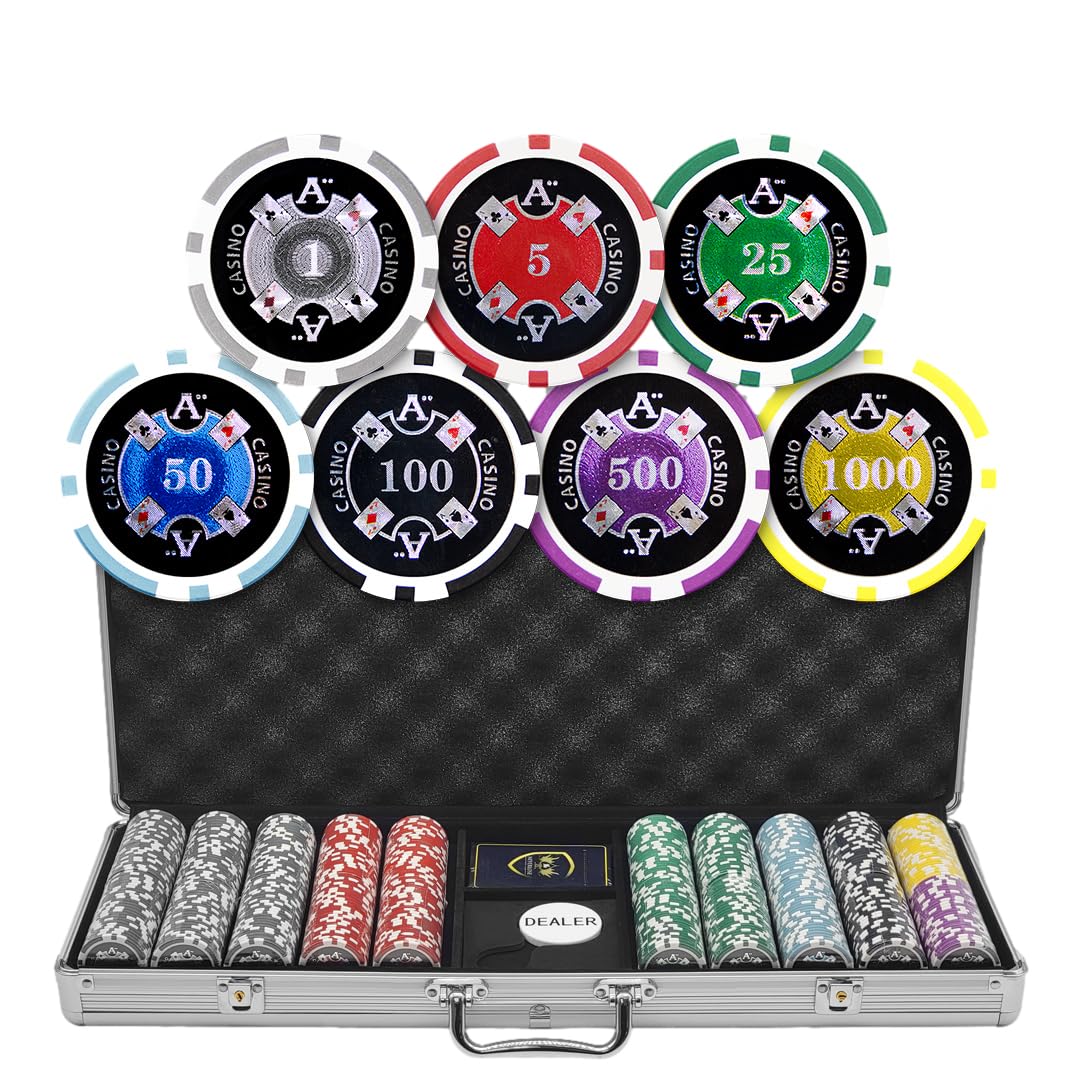
Slots of vegas no deposit bonus codes | verification
Mobile access, support and how to resolve a problem
How to reach the operator
A legitimate site puts its support address in a place you can find without logging in, usually linked from the page footer on both the mobile web and any app you install. That line should name at least one channel with a live human: email, a toll-free number where a representative answers, and real-time chat instead of a bot that only sends stock replies. Open the channel before depositing and ask a simple question, such as which documents are required for a withdrawal. A real answer arrives with the casino’s name, a case reference and a timeline; an auto-response that loops you back to help pages is a warning sign worth acting on now.
The channel you need depends on the problem. Account verification and bonus conditions usually work through email or chat, because the agent needs to inspect your request. Payment delays, mismatched transaction references or a stalled withdrawal need the channel that can escalate to the finance desk, and the site should tell you which one that is. If a request stalls, move it to a different channel instead of resubmitting the same message, and quote the case reference so the next agent can see what was already done.
Escalation when a request stalls
Escalation matters because a first response only proves the casino reads mail, not that it resolves disputes. Ask for the case to move to a senior agent or the finance team, set a date for the next update and record that date in your reply. If the site cannot name the escalation path or refuses to give you a reference, that refusal is information about how the casino handles problems and should carry more weight than any welcome offer.
Some operators route complaints to an independent dispute resolver, while others escalate internally to a senior manager. The difference is whether an outside party can review the file. Check the terms for the complaint procedure and the resolver’s name before starting playing. If the terms list no external route, treat the internal finance team as your only option and keep written records of every step.
5bet’s app and mobile site are both available, and each serves a different kind of user. The downloadable app works on iOS and Android, and you get it directly from the App Store and Google Play, so you don’t need a third-party download or an APK sideload. Once installed it keeps your login session, so you can open it and start betting without re-entering credentials. The mobile website is a fallback for anything the store won’t let you install, and it handles everything the desktop site does, including live streams and account management. Choose the app if you bet often enough that you don’t want to type a URL every time. Choose the browser if you are on someone else’s phone or you are out of storage.
Questions readers ask about choosing a secure online casino
What does a wagering requirement actually cost you in real cash?
A 40x requirement on a $20 bonus means you must place $800 in bets before the bonus balance becomes withdrawable. The operator’s stated withdrawal limit on bonus funds can then slash what remains. The math matters more than the summary multiplier.
Can a welcome offer be worth it even with strict wagering?
Only if the bonus applies to games with low house edge, and only if the wagering deadline fits your usual session length. A 30-day expiry on a no-deposit bonus is usually enough; a 24-hour window on a matched deposit rarely is.
Do no-deposit offers prove a site is trustworthy?
They prove the site runs promotions. Verify the operator separately by checking its licence, the verification documents it requests and whether a real withdrawal processes without unexplained delays.
Limits, self-exclusion and where to get help
The deciding factor here is not whether a casino advertises itself as safe, but whether it lets you set hard limits and self-exclude before losing control. Canada has no single national self-exclusion scheme, so you cannot rely on one button to ban yourself from every site. Check whether each casino offers its own self-exclusion and how long it lasts; some run for a fixed six-month term, others require you to request removal after the period ends.
Age rules also vary by province. The minimum age is 19 in most provinces, but 18 in Alberta, Manitoba and Quebec. A site that accepts you in one province may not be legal in another, and the operator’s terms should name the jurisdiction it holds a licence in.
If spending or time slips out of hand, set a deposit or loss limit in the account settings before your next session. That action is far more reliable than relying on willpower. For direct support, call the Canadian Problem Gambling Helpline at 1-866-531-2600; it is available nationwide and can connect you to local services without requiring you to name a specific casino.
